How to Choose the Right Dune Buggy for Your Dubai Desert Trip
Understanding What You Need from a Buggy
Picking the right buggy for a Dubai desert outing is not a one-size-fits-all decision. The terrain here ranges from soft, rolling dunes to hard-packed gravel flats, and the vehicle you choose will determine how comfortable, safe, and enjoyable your time on the sand is. Before you start comparing models or rental options, take a moment to think about your experience level and the kind of ride you want. A first-timer has different needs than someone who has spent years driving off-road, and a leisurely sightseeing trip calls for different features than a high-speed thrill run.
Your first step is to be honest about your own driving background. If you have never handled an off-road vehicle, you will want something forgiving and stable. If you have driven quad bikes or done desert safaris before, you might look for more power and responsiveness. The wrong choice can turn a fun day into a stressful one, so match the machine to the person behind the wheel.
Check the Vehicle Type and Configuration
The most common options you will come across are two-seater and four-seater buggies. Two-seaters are usually lighter and more agile, making them a good fit for solo riders or couples who want to feel every dip and turn of the dune. Four-seaters offer more stability and room for passengers, which can be useful if you are sharing the experience with friends or family. Neither is inherently better; it depends on who you are bringing along.
Pay attention to the wheelbase and ground clearance. A longer wheelbase tends to ride more smoothly over rolling dunes but can be less nimble in tight spots. Higher ground clearance helps you glide over soft sand without getting stuck, but it also raises the centre of gravity, which affects cornering. A well-designed buggy balances these factors so that the vehicle feels planted even when the sand shifts under you.
Engine Power and Drive System
Engine size directly affects how the buggy climbs dunes and handles loose sand. Smaller engines (around 500cc to 800cc) are often enough for gentle cruising and flat terrain. If you plan to tackle steep dunes or want a more energetic ride, look for something in the 1000cc to 1300cc range. More power gives you the ability to crest a dune without losing momentum, which is important because stopping on a soft slope can be difficult to recover from.
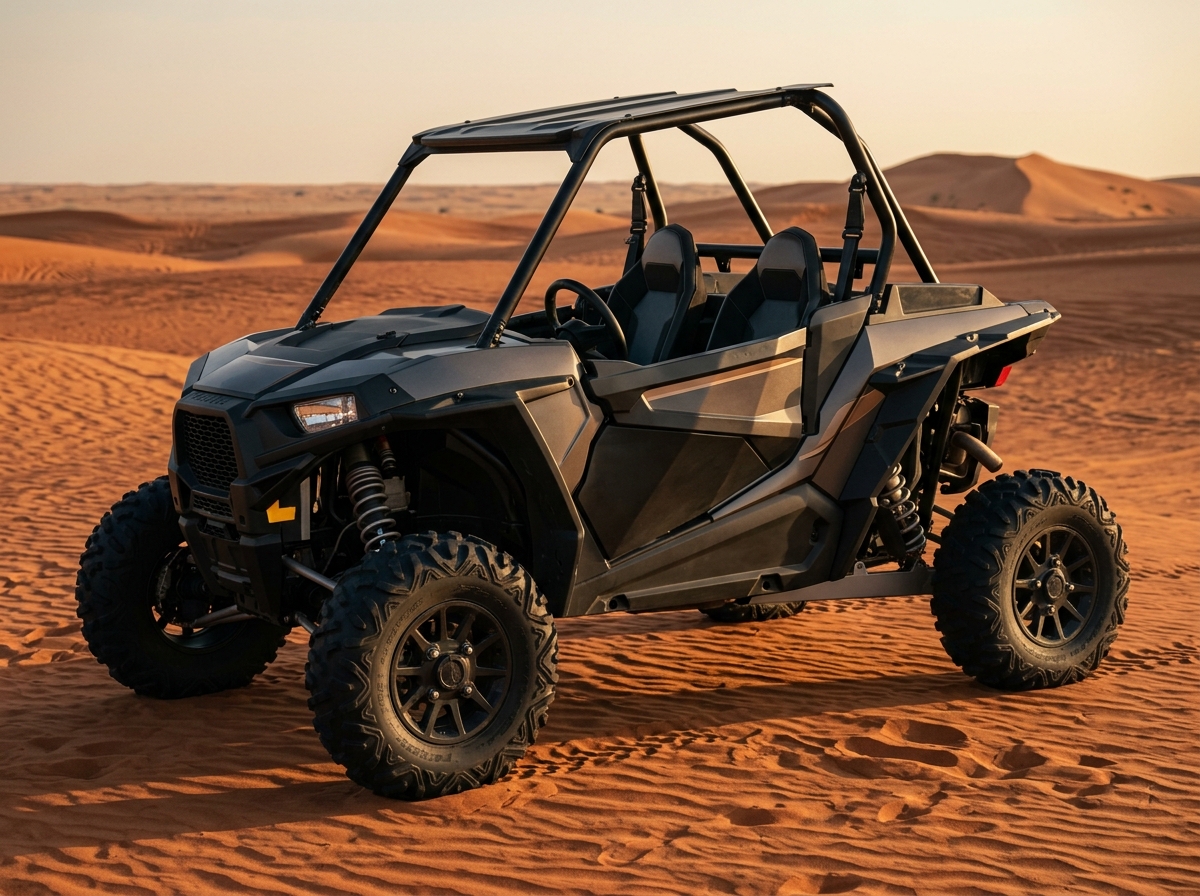
Drive type matters too. Two-wheel drive buggies are lighter and simpler, but they struggle on deep sand. Four-wheel drive provides traction that keeps you moving forward when the surface gives way under the tyres. For most Dubai desert conditions, four-wheel drive is the safer and more capable choice. It gives you confidence that the buggy will keep going even when the terrain turns loose and uneven.
Safety Gear and Rollover Protection
Desert driving carries inherent risks, and the right buggy helps reduce them. A proper roll cage is non-negotiable. The frame should be made of sturdy tubing that surrounds the occupants, and it should be bolted or welded to the chassis in multiple places. Check that the seat belts are functional and comfortable. A five-point harness keeps you firmly in place during sudden movements, while a simple lap belt is better than nothing but offers less restraint.
Helmets are standard on most rental buggies, but you should also look for gloves and goggles. The desert sun creates glare off the sand, and goggles protect your eyes from flying grit. A buggy that comes with a flag or whip antenna can make you more visible to other riders when you drop into a dip. Visibility is often overlooked, but it can prevent collisions when multiple buggies share a trail.
A mid-paragraph note: if you are used to a quad bike, the handling of a dubai dune buggy will feel different because the steering wheel and pedals give you more precise control. That extra control can make a big difference when you are navigating a steep dune face or a narrow gully.
Comfort and Ergonomics for the Desert
Spending an hour or more bouncing over dunes puts strain on your body, so comfort matters. Look at the seating position. A buggy with adjustable seats and a steering wheel that tilts lets you find a natural driving posture. Padding on the seat and backrest absorbs some of the shock from uneven ground. If the buggy feels cramped when you sit in it, imagine how it will feel after twenty minutes of rough terrain.
The controls should be within easy reach without stretching. Pedals that are too close together or too far apart can make your legs cramp. A dashboard that is easy to read without taking your eyes off the trail for long helps you stay aware of speed and engine status. Simple things like cup holders or a small storage compartment for your phone and keys add convenience, but they should not compromise the primary function of the vehicle.
Terrain Considerations and Tyre Choice
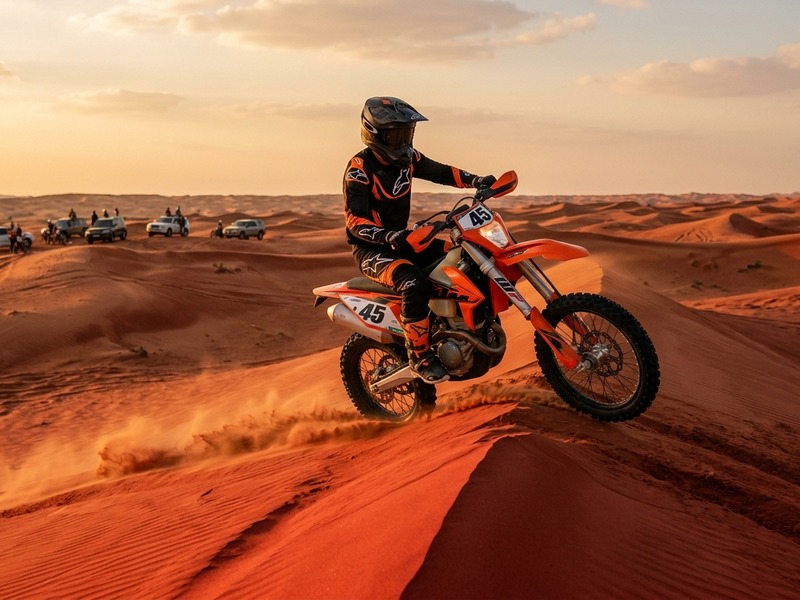
Not all sand is the same. The dunes near Dubai vary from fine, powdery sand to coarser grains mixed with small rocks. The tyres on the buggy need to match the conditions. Wide, low-pressure tyres with deep treads provide the best grip on soft sand. They float on top of the dune rather than digging in. Narrow tyres or those with a smooth surface are better suited for hard-packed trails and can cause problems if you venture into deep sand.
Ask about the tyre pressure that the buggy uses. Lower pressure increases the contact patch and improves flotation, but it also makes the ride softer and can increase the risk of a puncture on sharp rocks. A good operator sets the tyre pressure based on the specific terrain you will cover. If you are driving a rental buggy, they should be able to tell you what pressure they run and why.
Rental Conditions and Pre-Ride Checks
When you are renting a buggy rather than buying one, the condition of the fleet matters more than the specs on paper. Look at the buggy you will drive. Check for visible damage, worn tyres, and fluid leaks. Listen to the engine when it starts. A healthy engine should run smoothly without sputtering or rattling. Ask about the maintenance schedule. A reputable operator will have a log of recent services and will be happy to show it to you.
Before you set off, do a quick walk-around. Make sure the lights work if you will be out near dusk. Test the brakes gently in the parking area to feel how responsive they are. Confirm that the steering has no excessive play. A buggy that feels loose or sluggish before you even hit the sand will only get worse once you are on the trail. Trust your instincts. If something feels off, ask for a different vehicle.
By this point, you should have a clear picture of what to look for. The second and final use of the exact phrase: choosing a dubai dune buggy that fits your skill level and the terrain you will ride will make your time in the desert far more enjoyable. A well-matched buggy lets you focus on the scenery and the thrill rather than fighting the controls.
Making the Right Call for Your Group
If you are going with a group, coordinate ahead of time. Mixing beginner and experienced drivers in the same set of buggies can lead to mismatched paces. Some operators offer guided tours that keep the group together, which helps less confident drivers stay on track. Others let you go at your own speed. Decide what atmosphere you want and choose a buggy that matches that style.

Consider the weather as well. Summer heat in Dubai can make a non-air-conditioned buggy feel like an oven. Some newer models come with basic ventilation or mesh seats that help airflow. If you are visiting during the hotter months, look for a buggy that does not trap heat. In cooler weather, a windscreen or higher side panels can block the chill wind that picks up as you drive.
Final Practical Advice
When you have narrowed down your options, read the rental agreement carefully. Look for clauses about damage liability, fuel policy, and what happens if you get stuck. A clear policy protects both you and the operator. Most important, ask questions. The people running the rental know the dunes and the equipment. They can tell you which buggy handles a particular trail best or which model is easiest for a nervous first-timer.
Choosing the right buggy is about matching the machine to the driver, the passengers, and the desert itself. Take your time, inspect the vehicle, and trust the advice of those who work on the sand every day. That approach will give you the best chance of a smooth, memorable ride through one of the most striking landscapes on earth.